Articles Posted in Asbestos Exposure

The Centers For Disease Control and Prevention has highlighted more than two dozen factories throughout the country that processed vermiculite that was tainted with asbestos.

The plants ceased in 1990 or earlier after it was discovered that the vermiculite, a natural mineral, was contaminated with asbestos, which can lead to life-threatening illnesses, including mesothelioma in Boston and throughout New England. Boston Mesothelioma Attorneys know that many people were unknowingly exposed to asbestos either through work at factories or older buildings. And it’s that exposure that can lead to a diagnosis of mesothelioma and other asbestos-related illnesses.

1345669_sunset_in_venice_beach.jpg
Entire towns could have been exposed to asbestos as the tainted vermiculite was shipped from 1920 to 1990 throughout the country. Asbestos was a popular insulator because of its fire-resistant abilities and so it was used in the building of houses as well as in the manufacturing of other products, such as brake pads, cement, generators and all other sorts of commonly purchased goods.

Exposure to asbestos can go largely unnoticed for years and sometimes decades. Research has shown that these microscopic flakes can be inhaled and travel through the blood stream until they rest on major organs, including the lungs, heart or liver. They can stay for up to 30 or 40 years undetected before a person has the symptoms common of mesothelioma, such as coughing, fluid build up and chest pain. Once a person is diagnosed with mesothelioma, they have, on average, a year to live.

There is no cure to this form of cancer and the effects can be devastating to a family. A life can be cut short because a former employer denied to improve upon the safety of their workers by allowing a building to be tainted with asbestos, despite knowing the problems of the material.

In our latest blog in a series about sites detailed by the CDC, Boston Mesothelioma Lawyers hit the west coast, with three plants that processed tainted vermiculite in California.

Mesothelioma in Santa Ana: This W.R. Grace & Company plant in Southern California processed vermiculite from a mine in Libby from 1972 to 1993.
During that time, workers at the plant processed more than 400,000 tons of vermiculite and in 1990, when the plant was still operating, about 35,000 people lived within a mile of the plant.

Asbestos in Los Angeles: This plant processed vermiculite from 1950 to 1977, processing more than 120,000 tons of the natural mineral. It’s unclear for what purpose the vermiculite was processed at this plant.

Mesothelioma Diagnosis in Newark: This W.R. Grace plant operated from 1966 to 1993 and workers, those who lived with them or lived near the plant may have been exposed to asbestos.

In the 27 years the plant operated, it processed about 300,000 tons of vermiculite from the mine in Libby. This plant is located about 30 miles south of San Francisco in a mixed commercial, industrial and residential use area.
Continue reading

Officials in Massachusetts have filed a $1 million claim for funds to clean up more than 100 years of pollution from companies, Dow Jones Newswires reported recently.

Among the companies the state is requesting money from is the predecessor to W.R. Grace & Co., which, as the Mesothelioma Lawyers Blog has previously reported, was responsible for operating the vermiculite mine in Libby, Montana as well as several plants that processed the asbestos-tainted vermiculite.
845206_sala_de_parto_04.jpg
Mesothelioma in Massachusetts is a serious form of cancer that is deadly and incurable. Research has shown that the median life expectancy after diagnosis is about 12 months. Our Boston Mesothelioma Lawyers have seen the destruction this cancer and other asbestos-related illnesses can do to a family.

According to the article, factories around the 22 acres of land in water in the state’s Blackburn & Union Privileges Superfund Site were contaminated with asbestos, arsenic, lead and other hazardous substances.

This latest proposed settlement follows a roughly $13 million agreement last year with the U.S. Environmental Protection Agency. It includes $300,000 to help fund state-run groundwater restoration projects and $575,000 for other U.S. Fish and Wildlife Service projects.

The company that preceded W.R. Grace & Company manufactured asbestos brake linings and clutch linings at the property from 1915 to 1936, the state said. A predecessor to another party in the settlement, Tyco Healthcare Group, LP, later ran a textile factory there from 1946 to 1983 and used caustic solutions.

W.R. Grace ran the Libby mine from 1963 to 1990, when it was shut down. The mine operated beginning in 1919 and shipped — at its peak — about 2 million tons of asbestos-laced vermiculite throughout the country. Plants across the United States heated the vermiculite and turned it into insulation, peat moss, ceiling and floor tiles and other commonly used products. The U.S. Navy was a large importer of the material and used it on ships and in shipyards. The Libby mine produced about 70 percent of the country’s vermiculite.

In Libby, where many people worked at the plant because it was a main source of employment, hundreds have died and many have fallen ill because of asbestos-related diseases. Some have noted that the town was coated in a film caused by the mine and its workers.

These microscopic asbestos flakes were ingested by workers, their families and anyone who lived nearby. And the asbestos would travel through the blood system and land on major organs, such as the heart and lungs. There, they would stay for sometimes decades before producing symptoms of mesothelioma — chest pain, coughing, shortness of breath and fluid.

Because the asbestos can cultivate for sometimes 30 or 40 years before showing symptoms, many smokers would simply chalk up the pain to a smoking habit or older people to the aging process. But exposure to asbestos was preventable, as many companies and employers knew the hazardous effects, yet exposed workers without regard for the health and well-being.
Continue reading

The June tornadoes that ripped through Springfield and other parts of western Massachusetts destroyed buildings — killing three people.

But as the Daily Hampshire Gazette recently reported, along with the destruction, the tornadoes may have opened up a secondary public concern with exposure to asbestos. Because many of the buildings in Springfield are several centuries old, many were build with asbestos.
1194710_tornado.jpg
Asbestos has never been officially banned in the United States, but companies have wisely discontinued its use after it became linked to illnesses and cancer, such as mesothelioma. Buildings constructed centuries ago and into the 1970s may have contained asbestos. It was used because of its ability to insulate and be a fire retardant.

And workers in older buildings and factories, as well as Navy seaman, may have been exposed to the natural mineral for years. The U.S. military was a heavy user of asbestos. But asbestos is tricky in that exposure is difficult to detect because it is microscopic and can be ingested or inhaled and sit inside a person for up to 40 years without being detected. After attaching to major organs, such as the heart and lungs, it can lead to a diagnosis of many illnesses, including mesothelioma. Mesothelioma patients have an average life expectancy of 12 months after diagnosis.

According to the article, there were an estimated 500 buildings destroyed in Springfield after tornadoes, one with maximum winds of 160 mph, wreaked havoc on a 39-mile path in about an hour. Debris was found as far away as 40 miles.

Immediately following the tornado, with many buildings collapsed, there was a risk to public health from airborne asbestos fibers.

“During the demolition, we monitored the air quality in downtown Springfield and all the results were well within health and safety standards,” said Catherine Skiba, spokeswoman for the Western Massachusetts regional office of the Department of Environmental Protection.

While there may be standards for the air quality, it’s unclear from the article exactly how frequently the air was tested and when. The article also only addresses Springfield and not the neighboring towns.

Cleanup crews from throughout the region that came to help could have been exposed to asbestos in older buildings that collapsed. Emergency responders to Ground Zero in New York following the Sept. 11, 2001 terrorist attacks were said to be exposed to high concentrations of asbestos.

While it would certainly be good news if those living in tornado-damaged towns and cities weren’t exposed to high levels of asbestos, it may be prudent to see a doctor anyway. For those who have lived in New England and visited, worked in or lived in centuries-old buildings, exposure to asbestos may be ongoing without us even knowing it.
Continue reading

Boston Mesothelioma Lawyers have spent months documenting the cities across the country that have been exposed to asbestos-laced vermiculite due to mining and processing procedures.

Vermiculite was mined mainly in Libby, Montana, which produced 70 percent of the country’s supply the natural mineral from the early 20th Century until 1990. Much of the vermiculite was tainted with asbestos, which has been linked to illnesses, including mesothelioma, a deadly and incurable cancer.
mlJATEQ.jpg
Asbestos has never officially been banned in the United States, but companies have curtailed its use due to the clear link to illnesses and cancer. When ingested, those exposed to asbestos don’t realize it. The microscopic flakes travel through the blood system and land on the lining of major organs, such as the lungs and heart. They can stay, largely unnoticed, for years and sometimes up to 30 or 40 years before a mesothelioma diagnosis is made. Once diagnosed, the average life span is 12 months.

This debilitating cancer, and other asbestos-related illnesses like it, were largely preventable. Because of its ability to insulate and help buildings be fire-retardant, it was a popular product. It was used not only as insulation, but also to manufacture ceiling and floor tiles and peat moss, among other products. But as workers in mines and older buildings along with U.S. Navy seamen and other military personnel where it was used began falling ill, companies who knew of its dangerousness should have stopped using it. Many did not.

This series looks at the processing plants in cities where asbestos-laced vermiculite was shipped and a recent study by the Centers for Disease Control and Prevention, which did testing on the sites to determine the amount of exposure and the amount of asbestos there today, some two decades after the Libby mine stopped shipping vermiculite across the country.

Mesothelioma in Denver: This Western Minerals Company plant operated from around 1967 to 1990. The plant processed vermiculite contaminated with asbestos. More than 100,000 tons of vermiculite was processed at the plant.

Since 1990, the site has been occupied by Minnesota Corn Processors, a corn syrup manufacturer. In 1990, while the plant was still operating, about 13,000 people lived within one mile of the site, according to U.S. Census data. Soil sampling showed that asbestos was still in the ground to this day.

Mesothelioma in Phoenix: This W.R. Grace/Solomon’s Mines company plant operated from 1964 until 1992.

The CDC reports that the mine processed more than 100,000 tons of vermiculite in the nearly 40 years it operated. The plant continues to process vermiculite, but from safer sources, the CDC reports.

Mesothelioma in Glendale: The Ari-Zonolite Company plant processed vermiculite from Libby between 1951 and 1964. Plant workers processed more than 100,000 tons of the mineral.

As with all sites, workers, those who lived with workers and those who lived near the site may have been exposed to asbestos. A checkup with a doctor may be appropriate.
Continue reading

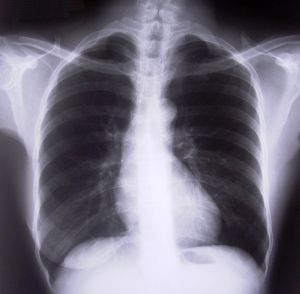
A southern Massachusetts school’s buckling gymnasium floor led engineers to discover traces of asbestos in the glue beneath, costing the school at least $280,000 to replace, The Herald News reports.

While this is a lot of money for a school district at a time when many schools are facing budget cuts and unsure financial times, this is a critical step they must take. Asbestos exposure in Boston and throughout the nation can lead to a diagnosis of the cancer mesothelioma and other illnesses that are life-threatening. Consulting with an experienced Mesothelioma Attorney in Boston will ensure the case is properly reviewed — justice is worth fighting for.
262068_chest_xray.jpg
In Swanea, which is near Providence, R.I., the school system’s assistant superintendent told the newspaper the trace amounts of asbestos were not considered harmful to those using the gym because asbestos typically poses a danger when flakes can be inhaled.

The School Department has inquired with the Massachusetts School Building Authority to see if emergency funding can be acquired. If not, Joseph Case High School will require a loan to pay for the floor replacement. Humidity and age is to blame for the floor warping over the years. The air circulation system, which pumps in outside air and recirculates it into the gym is also to blame.

The current floor is made of maple and was installed in 1975. Beneath the floor is a layer of tar paper and cork adhered to cement, the newspaper reports. Because of the asbestos, demolition will require an asbestos abatement, which will cost between $100,000 and $130,000. The cost for a straight demolition would have been about $30,000.

While it is great news that the gym of the high school is being replaced, this story shows that oftentimes businesses — and in this case schools — aren’t quick to address the potentially deadly effects of asbestos.

While officials told the newspaper they don’t believe anyone was harmed by the asbestos in the school’s gym, it may be difficult to actually make that statement. While it is true that asbestos exposure is harmful when flakes are inhaled, it’s possible that an old gym that has been deteriorating for years could have let asbestos into the air.

It is microscopic and difficult to track. So, for the last 36 years while asbestos has been in that old gym, countless numbers of students, parents and community members have attended sporting events and other events, while possibly being exposed. Asbestos in old schools and other buildings remains quite common — another indicator of the risks.

The same can be said for thousands of buildings throughout New England that are old and likely built with asbestos. Asbestos is a naturally occurring mineral that was mined in the United States from the early 20th Century until around 1990. While it has never officially been banned, companies have curtailed its use in the wake of discoveries that it causes deadly illnesses. It was once primarily used in the construction of buildings because of its fire-retardant quality and its ability to insulate houses and buildings.
Continue reading

A recent jury verdict against The Goodyear Tire and Rubber Company and Goodyear Canada of $22 million for workers exposed to asbestos in the 1970s is a sign of the potential future litigation that will be brought against companies for ignoring the devastating effects, the Bradenton Herald reports.

Boston Mesothelioma Lawyers believe now is the time to act if you or a loved one inhaled asbestos for years at work, in an old building or in years of service in the U.S. military. This incurable cancer acts slowly and quickly at the same time.
270916_goodyear_blimp_balloon_3.jpg
As someone exposed to asbestos continually inhales its microscopic fibers day after day and year after year, the fibers travel through the blood system before depositing on the lining of major organs such as the lungs and heart. There, they cultivate for years and sometimes decades before causing health problems. Many workers from the 1960s and 1970s have had few symptoms over the last 30 or 40 years but are now being diagnosed with mesothelioma or other asbestos-related illnesses. And after diagnosis, the median time to live is only 12 months. Short-term exposure to asbestos has also been linked to mesothelioma.

Sadly, many companies and businesses were aware of the dangers of asbestos, but continued using the substance because of its durability, cost and usefulness. And even as more and more facts came out over the years about the deadly substance, companies were resistant to renovating their buildings and old factories, leaving workers at risk.

In this case, two workers were exposed to asbestos in gaskets while working as steamfitters between 1969 and 1973 and a number of upstate New York job sites near Buffalo. Goodyear manufactured sheet gasket material that contained asbestos.

One of the men was diagnosed with lung cancer and was awarded $11.6 million for pain and suffering and $1.9 million to his widow. The jury found the companies 42 percent responsible for his lung cancer, though he smoked.

As for the other man, the jury found the companies 12 percent responsible for the lung cancer, though he, too, smoked. His family was awarded $8.5 million in pain and suffering.

These are large numbers and they show that the jury believed the company ignored the risks of asbestos and still used the material in their buildings. And for these two men, it became fatal.

More and more of these cases are popping up across the country because baby boomers exposed to asbestos are now being diagnosed and are seeking lawsuits to take care of their families. But it is crucial to act quickly if one has been diagnosed with mesothelioma.

These cases require sometimes years of research to detail the facts and put together a case in court. But our firm is committed to helping those who have unjustly been exposed to asbestos that has caused painful and life-threatening illnesses.
Continue reading

For the last several weeks, Boston Mesothelioma Lawyers have detailed on our blog more than two dozen sites across the country, including in Massachusetts, that were used for years to process vermiculite, a natural mineral that can contain asbestos.

Asbestos was used throughout the 20th Century to insulate houses and businesses and make floor and ceiling tiles and other products. It was also used in shipyards, on military ships and in automobile brake pads, shoes and clutch discs.
mjYwcFs.jpg
But while its use hasn’t been banned in the United States, the manufacture of products containing asbestos has severely declined in recent years because of the discovery of, and attention to, asbestos-related illnesses. That includes mesothelioma in Boston and elsewhere.

Mesothelioma is a fatal and incurable form of cancer linked to asbestos exposure. And the median survival rate after a diagnosis of mesothelioma is less than a year. Many people aren’t diagnosed for 30 or 40 years because microscopic asbestos fibers lay unnoticed in the walls of major organs, such as the heart and lungs, while the cancer develops. It isn’t until other symptoms persist that people tend to get checked and the cancer is discovered.

From 1919 to 1990, a vermiculite mine in Libby, Montana produced some 70 percent of the vermiculite used throughout the country. Much of the vermiculite was contaminated with asbestos. Millions of tons of vermiculite was shipped to plants throughout the country, including in Massachusetts, where workers heated it to manufacture products.

While the Libby mine closed in 1990, the federal government is still helping the people there, many of whom have fallen ill or died. The government in recent years dedicated more than $100 million to cleanup the area and provide healthcare for people exposed. Federal researchers believe people who lived near the mine or the plants and those who lived with employees of the vermiculite companies are at risk for mesothelioma and other diseases related to asbestos exposure.

The Centers for Disease Control and Prevention recently produced a website dedicated to providing information about more than two dozen plants that imported and processed the vermiculite.

Mesothelioma in St. Louis: This Zonolite Company site operated from the late 1940s to 1998 and produced nearly 140,000 tons of vermiculite, which was shipped in from Libby.

The CDC warns that not only workers and their families, but the more than 13,000 people who lived within a mile of the plant, including an elementary school, could have been exposed to asbestos and should be checked by a doctor.

Mesothelioma in New Orleans: This Zonolite Company plant processed about 148,000 tons of vermiculite from Libby. The CDC reports that much of the vermiculite contained asbestos.

The plant operated from 1965 to 1989 and sat in a mixed residential, commercial and industrial part of the city. Based on 1990 U.S. Census data, more than 5,000 people lived within a mile of the site.

Mesothelioma in Minneapolis: According to research on this Zonolite plant, which operated from 1938 to 1989, about 93,000 tons of vermiculite from Libby was processed here.

Some of the ore was left behind after it was heated and left outside the plant, where citizens would pick it up and use it in their yards, gardens, driveways, barbecues and other construction products.
Continue reading

The estate of a man who died after a battle with mesothelioma has filed a wrongful death lawsuit in New Orleans against some of the nation’s biggest companies, including Viacom, Inc., General Electric Co., Uniroyal, Inc. and others.

Boston Mesothelioma Attorneys are available to represent clients from throughout New England who have been diagnosed with mesothelioma and other asbestos-related illnesses. Mesothelioma in Boston is an incurable and fatal cancer that usually takes 30 to 40 years before a diagnosis is made.
dJpDUq.jpg
That’s because people have ingested the microscopic fibers, which travel through the blood stream and attach to the walls of major organs, such as the lungs and heart. They stay for years and sometimes decades before people experience symptoms and are diagnosed.

Some common symptoms, according to the Mesothelioma Cancer Network:

  • Persistent dry cough without phlegm
  • Plueral effusions (typically containing blood)
  • Blood in the sputum (fluid) or coughing up blood
  • Difficulty swallowing
  • Inexplicable weight loss
  • Fatigue
  • Sweating or fever
  • Persistent chest or rib area pain, painful breathing
  • Inexplicable shortness of breath
  • Development of lumps under the skin on the chest

In the case in New Orleans, the man was diagnosed with mesothelioma in 2010, the article reports. And the lawsuit alleges he was exposed to asbestos while he was aboard United States Navy vessels from 1966 to the late 1970s. The lawsuit states that exposure was a result of asbestos dust emanating throughout the USS Rehoboth, the USNS Albert J. Meyer, the USNS Flyer, the USNS Wyman, the USNS Kingsport and the Sgt. Alfred Shoup.

The lawsuit alleges the companies produced an unreasonably dangerous product, didn’t warn the public, of defective design, strict products liability and breach of implied and expressed warranties.

The United States military was one of the largest consumers of asbestos in the early and mid 20th century. The military used it on Navy ships, Army barracks, U.S. Air Force planes and other products. And 70 percent of the vermiculite, a natural mineral that contains asbestos, was mined in Libby Montana and shipped to plants across the country to be exfoliated.

Asbestos was used for insulation, to create floor and ceiling tiles, peat moss, gardening and landscaping products and other uses. While it has never officially been banned in the United States, it’s use has been severely curtailed in the last two decades because of its effects.

Many companies knew of the effects or at some point discovered the problems asbestos can cause but did nothing to protect workers. And many Americans were wrongfully exposed to asbestos, which can cause mesothelioma and other fatal diseases. Those who were wrongly exposed years ago should seek justice. First, see a doctor that specializes in asbestos-related illnesses and then call our law firm to discuss your rights.
Continue reading

A recent article by Time Magazine reports that in the next 20 years, asbestos-related diseases, including mesothelioma, will surge in Asia based on a recent report from the World Health Organization. And 7,000 people will turn 65 years old a day in the United States, perhaps the next wave of those affected by mesothelioma in Boston.

While asbestos is rarely used in the United States anymore, it has never officially been banned. And third-world countries continue to import asbestos for insulation and other uses even though it has been linked to devastating illnesses. They may well learn what the United States has long ago learned — that asbestos causes fatal illnesses. The World Health Organization estimates that about 125 million people worldwide are exposed to asbestos at the workplace and 107,000 people die each year from asbestos-related illnesses because of workplace exposure.
244234_asbestos.jpg
Boston Mesothelioma Lawyers have seen clients struck down by mesothelioma and other deadly asbestos-related illnesses. Many times, exposure to asbestos could have been prevented and businesses and companies should be held liable for harming their employees. A diagnosis of mesothelioma can take 30 to 40 years, which makes it difficult to pinpoint when someone was exposed, but our law firm will help. Mesothelioma is devastating because it is a fatal and incurable form of cancer. More than 7 percent of Boston’s population identified itself as Asian in 2000, according to the U.S. Census Bureau, so, if you or a loved one are exposed to asbestos and have been diagnosed with mesothelioma, call today so we can discuss your case.

According to the Time article, Asia accounts for 64 percent of global asbestos use, five times higher than it did in the 1970s. And perhaps that’s because decades ago, the United States stopped being such a heavy user of asbestos. Asbestos has been used to make peat moss, ceiling and floor tiles and was commonly used in the construction of houses and commercial properties.

The U.S. Military was one of the largest importers of the material because it was used in the construction of many Navy ships, U.S. Army tanks and Air Force planes, among other uses. And baby boomers may be the next group to be affected. According to AARP, from Jan. 1 to Dec. 1, more than 7,000 people will turn 65 years old each day.

More than 70 percent of the country’s asbestos came from a mine in Libby, Montana, where the natural mineral vermiculite, which can contain asbestos, was mined. It was shipped to plants across the country, including Massachusetts, where workers processed it and manufactured products that were sent across the country. The plant operated from 1919 to 1990 and in that town, thousands have gotten ill and hundreds have died due to exposure.

People get sick when microscopic asbestos fibers are ingested, travel through the bloodstream and attach to the walls of major organs, such as the lungs and heart. They stay for years and sometimes decades before the signs cause a person to get checked, which leads to a diagnosis. By then, it’s often too late.
Continue reading

The Centers for Disease Control and Prevention researched more than two dozen plants and a mine that processed vermiculite, a natural mineral that can contain asbestos. And, as research has shown, exposure to asbestos can cause mesothelioma in Boston, a fatal and incurable form of cancer.

Boston Personal Injury Lawyers have represented clients who have been wrongfully exposed to asbestos and who have been diagnosed with mesothelioma or other asbestos-related diseases and illnesses. We are committed to helping those who have been injured by seeking help with medical bills and damages resulting from this debilitating illness.
mlJATEQ.jpg
More than 70 percent of the asbestos in the United States came from a vermiculite mine in Libby, Montana that operated from 1919 to 1990. The mine pumped out millions of tons of the natural mineral. The mined vermiculite was then shipped to plants throughout the country, including in Massachusetts, and workers there exfoliated the vermiculite to manufacture everything from peat moss to floor and ceiling tiles to insulation.

But as the people of Libby have sadly discovered, the dust that coated the town contained microscopic asbestos fibers that, when ingested, attached to the walls of major organs, such as the heart and lungs. And after a 30- to 40-year incubation period, can lead to a diagnosis of mesothelioma, which has no cure. Thousands of people in Libby have been diagnosed with illnesses and several hundred have died. The federal government has dedicated more than $100 million to cleanup and health-related efforts in Libby even today, some two decades after the mine shut down.

And while workers are certainly affected, their families, those who drove in their cars and washed their clothes are also affected. And even people who lived in a town or city or near a plant are at risk for exposure. And because it can take so long for a diagnosis to be made, it’s important to seek medical care as soon as possible if you may have lived near one of the plants or the Libby mine. A diagnosis may be devastating, but our firm will work to help you recover funds if you were unjustly exposed.

Mesothelioma in Kentucky: This W.R. Grace plant operated from 1952 to 1992, when it was shut down. It received Libby vermiculite during those four decades and exfoliated more than 220,000 tons.
In 1990, the U.S. Census reported that about 9,000 people lived within one mile of the site.

Mesothelioma in Michigan: This Zonolite Company and W.R. Grace plant operated from the 1940s to 1989. The plant exfoliated about 206,000 tons of vermiculite from Libby.

Mesothelioma in Chicago:The W.R. Grace & Company facility operated from 1974 to the 1990s in West Chicago, processing more than 273,000 tons of vermiculite. the facility closed in 1996 and the company sold the property.
Census data shows that more than 3,000 people lived within a mile of the site in 1990.
Continue reading

Contact Information