According to a recent story from WFMZ-TV News, one eastern Pennsylvania school district is planning on removing construction debris containing asbestos that was buried in the woods behind an elementary school a year ago.
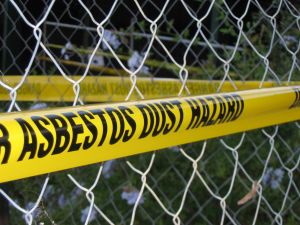 School officials report that construction debris (mostly residential siding material) was illegally dumped on school property during the summer when school was out of session. When school officials found the debris, they had no idea who left it there, but decided that the quickest way to deal with the problem was to have it buried in the woods behind the school.
After obtaining permission from the school board, school officials had the asbestos containing debris buried in a hole lined with clay. The clay was used in an attempt to prevent asbestos from leaching into the soil surrounding the material.
The new school superintendent learned the asbestos was buried behind his school when he came to the board with plans to construct a nature trail in those same woods. He was told that he should not dig near where the asbestos was buried.
At a board meeting, members agreed to fund the costs of having a licensed asbestos removal company unearth and properly dispose of the cancer-causing material. This is a very sensitive project that requires extreme caution to avoid asbestos fibers from contaminating the surrounding area or being released into the air.
If inhaled, asbestos fibers can become embedded in the lungs and other body organs. When the fibers become imbedded in the mesothelium layer of organ tissue, they can cause mesothelioma, which is a deadly form of cancer. The fibers can also cause lung cancer. As our Boston attorneys who represent mesothelioma victims and their families understand, the disease often doesn’t manifest itself in patients until around 20 to 50 years after exposure. Even if a person knows they were exposed to asbestos, there is nothing doctors can do to remove the deadly fibers or prevent the disease. Most victims can only wait and hope they do not become sick.
Continue reading
 Mesothelioma Lawyers Blog



 The accident occurred when a large section of concrete containing metal wire on the ceiling of the building caved in and landed on two of the workers. These workers were covered in dust and debris that was likely to contain asbestos dust. First responders had to dig the workers out of the debris so that they could be rescued.